Religion in my writing - Ben Schenkman
When I wrote my first book, My Boss is the Devil, I didn’t start out thinking “magical realism is the way to go”. It was more subtle than that, and at least partly why the genre exists, blending reality and magic. I felt like tying the book’s magic to real-world religion would ground it in a meaningful way.
Fast forward to 2026 and I’ve written four books in my The Devil You Know series, ranging from a mostly Abrahamic start focusing on Christian mythos, to incorporating Hindu and Celtic mythology. My novel Let Sleeping Gods Lie, the first book in The Chronicles of Corbin Pierce, grounds its magic in animism and Indigenous lore with a heavy environmental aspect.
My newest book, My Brother’s Keeper, the first book in The Cycle of Ash, goes even further as I dove into my Jewish roots. That book, more than any of the others, is built on Jewish scripture (mostly the Talmud for anyone keeping score) and utilizes prayers and language from the religious texts themselves, along with the deep lore within.
The funny thing was, I kept doing it. I never questioned whether I would align my magic with religion, whether it was my own or not. This has all led me to reflect on the “why” of it all, and Jamedi was kind enough to agree to publish my brief musings on the topic.
World religion is pervasive in our cultures. I live in the USA, and even as we want to separate our church and state, it’s hard to ignore the tendrils of religion that spread into everything else. Considering that as an author influenced my early choices in the God/Devil tropes, but there are so many other cultures with varying religious practices that it’s a veritable buffet to choose from when you start looking outside of a narrow scope.
It would be a shame not to use more of them.
So how does a person do it? Religion is a finicky topic and there are a lot of people who won’t enjoy mixing magic and something core to their belief systems. Anyone who’s studied religion understands that faith is a kind of magic, something you can’t prove but are varying degrees of sure it exists. But start calling faith “magic” and giving it a practical application for your heroines, and you might end up with some strongly worded letters. You also have to accept that your take on magic-via-religion isn’t going to resonate with everyone, nor are they all likely to agree that you got it “right”.
I use a Jewish concept in my latest novel, pikuach nefesh, which means that preserving a life is more important than religious adherence. How broadly this is applied varies from person to person and I assure you there will be plenty of people who disagree with my generous interpretation. If they manage to find and read my books, I look forward to hearing from them.
After you’ve decided that this is the path you want to walk, you have to decide what you want to connect and how deep the rabbit hole goes. Is this just about gods? Spirits? Scripture-based magic? Angel-magic? Demonic deals? The breadth of your magic system needs at least some loose bounds. I’m a big fan of “soft” magic systems because they don’t get in the way of telling a good story, but that doesn’t mean they can’t be “specific”. But perhaps you’re writing a litRPG and are developing a hard, specific, system. You have to decide where the magic comes from in your world and how it’s applied. The most important thing here is consistency. In My Brother’s Keeper, the magic is handled the way it’s done in scripture. Certain people are able to tap into the magic of God via the angels, and while it’s not a hard system, the method of calling up that power is consistent with the approach prescribed by the religious texts themselves.
To quote my friend and monster hunter (https://jewishmonsterhunting.com), Jack Zaientz, “Gabriel grant me fist-o-power” is a shorthand I have in my head now. You can make it flashy (it’s fantasy after all) but operate from a place of grounding the magic in reality. It can give you a depth that slinging fireballs with no origin other than “the powers that be” doesn’t.
The other thing you have to concern yourself with is handling the material with (enough) respect. I say this because my primary concern is about not punching down. In my first series I mostly used Christianity, which is a giant and can take the hits if you’re modifying the scripture to suit your purpose. Nonetheless, my interpretations were never caricatures. In Let Sleeping Gods Lie I did a lot more work to research the Indigenous culture, the lore, and consulted with members of a couple tribes to ensure I handled their spirituality with respect. For My Brother’s Keeper I reached out to an expert on Jewish lore and demonology (thanks again, Jack) who helped make the magic system what it is, on top of my own lived experience as a (reform) Jew.
One moral of this story is to make sure you’re not unintentionally lampooning a culture or religion you’re trying to portray even a piece of. Your readers will thank you.
All that said, this is a huge topic, and I can’t tackle it all here. If you ever want to talk about magic systems and world religions, reach out to me via my website (https://benschenkman.com) and we can have a long video call over a cup of coffee. Until then, I wish you success in your writing.
About My Brother's Keeper
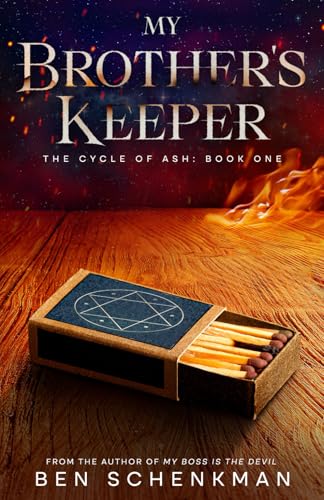
Magic is real, demons walk the earth, and Max’s brother is dead.
Max Asher, Jewish mystic and private-eye, never thought he’d be coming back to his home town to bury his twin brother, Solomon. He definitely never thought the funeral would turn into a case, but when Sol’s widow Gabby asks him to investigate the cause of death, “Uncle Max” is on the job.
When Max kicks the demon’s nest, he uncovers a conspiracy that forces him to reevaluate everything he thought he knew about his brother. Unfamiliar local politics blur the line between the supernatural and the mundane, and soon, fighting for justice becomes dangerously literal. If Max can uncover the murderer, he might just save his brother’s soul—but if he can’t, he’ll fall victim to the same deadly fate.
Putting the past to rest is going to take more than a shovel full of dirt.
You can order it here.
About Ben Schenkman
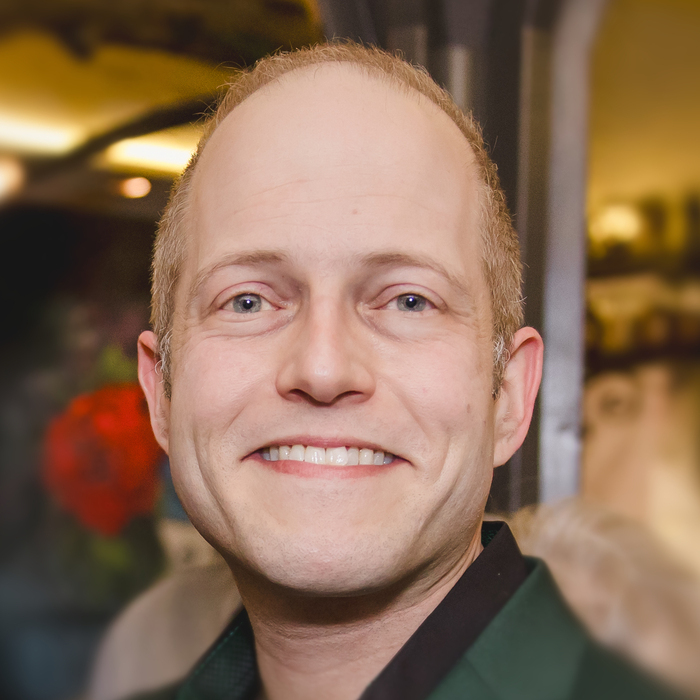
Ben Schenkman likes many things in life: his 20-pound Maine coon cat, his family, his coffee, and his eclectic hobbies—not necessarily in that order.
Ben also likes to play devil’s advocate in his urban fantasy books by exploring the gray areas of good and evil with questions like, “Does the end really justify the means? Or is it all simply black and white?” Ben leaves these questions lingering in the ether to challenge readers’ conventional thinking and delve into the complexities of moral dilemmas.
As a native of Connecticut, Ben draws inspiration from his upbringing and college years in New Haven, where his novels take place. When he wants to escape being a writer, he’s a massive foodie who goes on gastronomic adventures, an overachiever who collects degrees in Theater, Nuclear Engineering, and an MBA, or the manager/performer of the fire dance troupe, HVBRIS—you know, the basics. No big deal.
Want to know more about his work, or talk about coffee and cats? He loves hearing from readers!